
The Taxation Conflict
Rich Dad Poor DadThis thread traces the book’s argument that tax policies intended to target the rich can produce consequences for the middle class, while financial knowledge shapes how people respond.
increasing Bearing strength in each event
 decreasing
Bearing strength in each eventdecreasingTaxes Begin as Temporary Measures

A Political Beginning
Wartime Levies
Rich Dad recounts taxes in Britain and the United States as measures originally associated with wars. The historical examples establish that taxation changed over time rather than appearing as an unchanging condition.
Public Permission
The later adoption of permanent income taxes required public acceptance. The book uses that history to ask how political ideas become institutions with effects broader than their stated purpose.
A Promise to Tax the Rich

The Robin Hood Idea
Popular Appeal
The book argues that the early case for income taxation was framed as a way to make the wealthy pay for public needs. That framing helped secure support among people who expected to benefit from it.
The Conflict Deepens
Rich Dad’s account claims that government spending and revenue needs expanded beyond the original target. The narrative shifts from a moral promise to a question of who eventually bears the cost.
The Tax Burden Widens
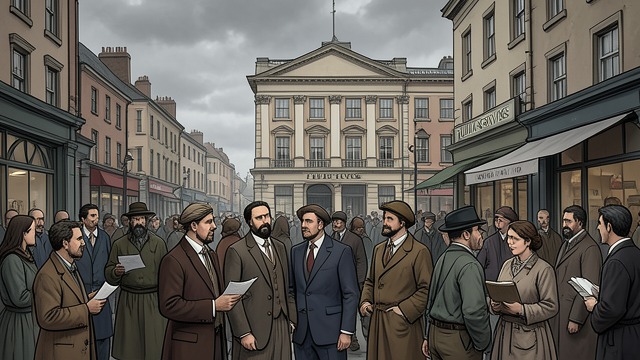
The Middle Class Included
A Wider Base
The account describes taxes extending to the poor and middle class as public spending increases. People who supported a tax aimed at the rich find themselves included in the system.
Public and Private Incentives
Rich Dad contrasts public institutions’ incentives to spend allocated funds with businesses’ incentives to preserve efficiency. The contrast intensifies the book’s criticism of how policy and organizational structures interact.
Corporate Responses

A Legal Structure Used
Risk and Tax Planning
Rich Dad explains that corporations can limit certain liabilities and allow qualifying expenses to be handled differently. The book presents them as legal structures requiring knowledge, not as a substitute for compliance.
Unequal Access to Expertise
Wealthy people can hire attorneys and accountants to understand rules and opportunities. The narrative argues that lack of financial education leaves others less prepared to navigate the same system.
Knowledge as Protection

Fighting Through Understanding
Learning the Rules
Robert recalls Rich Dad’s insistence that knowing the law can prevent people from being pushed around. The lesson directs readers toward informed, lawful planning rather than fear or evasion.
The Unresolved Debate
The book’s criticism of taxation remains part of its wider argument about unequal financial knowledge. Its resolution is educational: understand the system before making claims about how it works.
During the historical overview of early taxes
In the historical discussion of permanent income tax
As government spending grows in Rich Dad’s account
After permanent income-tax laws take hold
At the end of the tax lesson
